

Child Development Research, Insights, and Science Briefs to Your Inbox
This blog post is based on research originally published in Turunç, G. & Kisbu, Y. (2025). Effects of pre- and post-displacement difficulties on parenting behaviors of refugee fathers. International Journal of Behavioral Development, 49(3), 205-213.
Key takeaways for caregivers
- Syrian refugee fathers’ experiences of war trauma were linked to daily struggles after displacement, including discrimination and material hardship.
- These difficulties were strongly linked with fathers’ mental health, particularly depression, anxiety, and post-traumatic stress disorder.
- Depression in refugee fathers was associated with more instances of punishing their children.
- Post-displacement discrimination was also linked with higher levels of paternal punishment.
- Promising options for interventions aimed at strengthening refugee families and promoting children’s well-being include addressing fathers’ everyday challenges (e.g., discrimination) and supporting their mental health.
Families worldwide are being forcibly displaced from their homes
The world is facing the largest wave of forced migration since the Second World War. According to a 2020 report by the United Nations’ Refugee Agency, by the end of 2019, 1% of the global population was forcibly displaced, with Türkiye hosting the world’s largest refugee community. Among the approximately 3.6 million displaced Syrians living in Türkiye, nearly half were children.
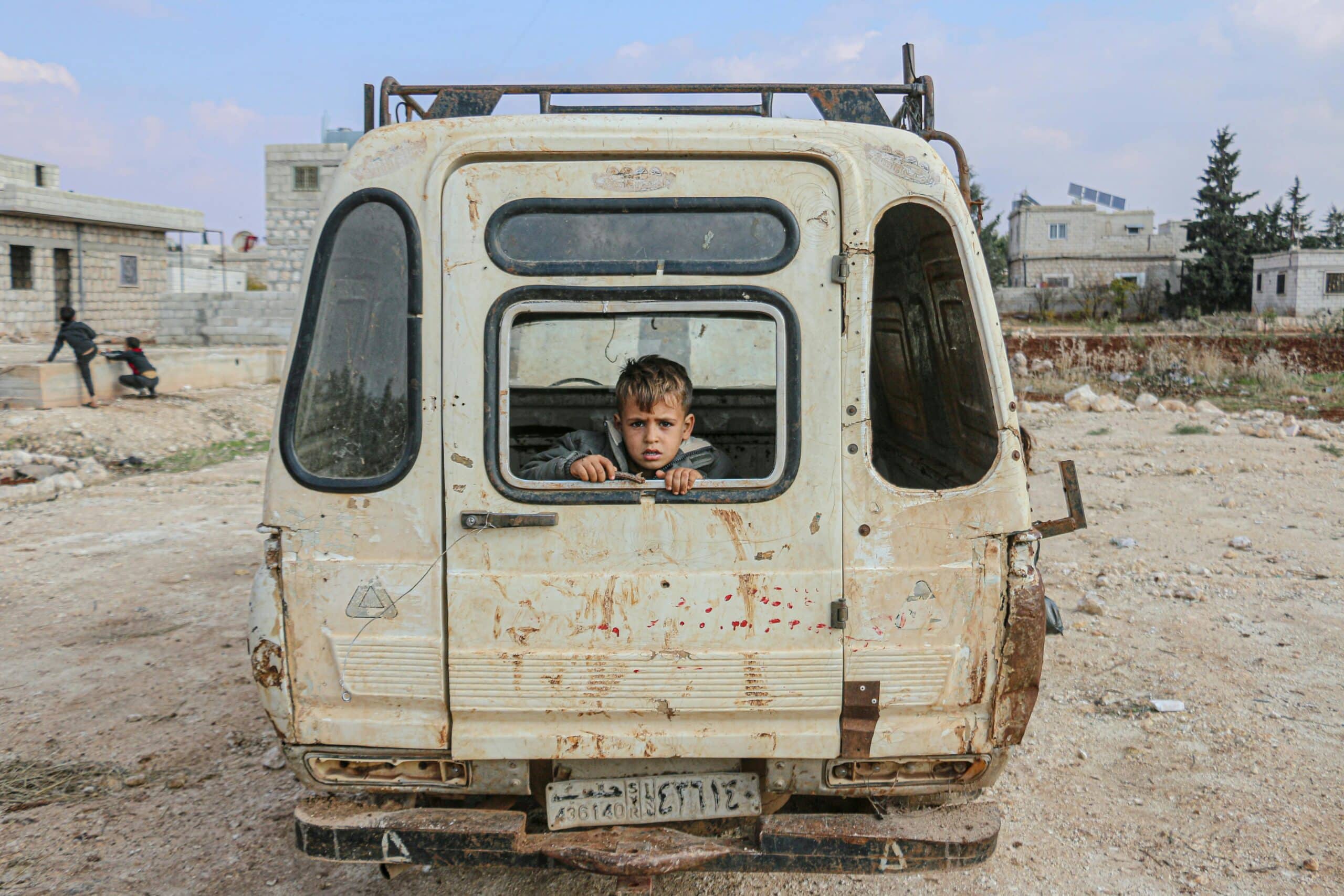
Photo by Ahmed akacha on Pexels
Years later, the most recent UN report noted continued increases in forced migration, with almost 1.5% of the global population displaced by the end of 2024. Türkiye remains host to one of the largest refugee communities in the world, including high numbers of children.
War and displacement mean higher risks for children’s struggles
Children are among the most vulnerable groups affected by conflict and displacement. Research shows that children exposed to war have higher rates of post-traumatic stress disorder (PTSD), depression, and anxiety than comparison groups of children from similar communities who were not necessarily exposed to war. They also face more social difficulties, such as strained peer relationships, withdrawal from social interactions, and school struggles.
Parents play a central role in shaping how children cope with challenges, including conflict and displacement. Studies have consistently shown that parental trauma and mental health are closely tied to children’s well-being. When parents are overwhelmed by depression, anxiety, or PTSD, children are more likely to have emotional and behavioral problems.
Parents’ behaviors can also serve as either risk or protective factors. For example, harsh or punitive parenting (e.g., yelling, hitting) can make children’s difficulties worse, while warmth and affection from parents (e.g., praise, hugs) can help protect children from stress. Therefore, children may be at risk for struggles due to both their own displacement experiences and how their parents navigate the family’s challenging situation.
Exploring displaced fathers’ trauma, stressors, mental health, and parenting
In our research, we explored the links between parents’ war-related trauma and post-displacement stresses, mental health, and parenting behaviors. Although many studies on refugee families have focused on mothers, fathers are also vital for children’s emotional, cognitive, and social development, and they face their own unique barriers in caregiving.
Photo by Josh Willink on Pexels
Our study on refugee fathers
We studied Syrian refugee fathers living in Istanbul, Türkiye. We focused on fathers raising at least one child aged two to five years because this period is critical for children’s development, and parenting behaviors at this stage are especially important for children’s emotional and social development.
The 286 fathers in our survey were married and in their 20s to 60s (average age was about 34 years) who had fled Syria after 2011 and resettled in Türkiye. They had spent an average of about five years there, most of them were employed, and most had completed at least primary school.
Fathers answered questionnaires in Arabic about their:
- Exposure to war trauma (e.g., combat, forced isolation, lack of food or water),
- Difficulties encountered after displacement, including experiences of discrimination based on their ethnicity and other stressors (e.g., poverty, uncertainty about the future),
- Mental health symptoms of depression, anxiety, and PTSD (e.g., feelings of worthlessness or nervousness or reliving past trauma), and
- Parenting behaviors, including warmth (e.g., hugging, kissing, showing affection) and punishment (e.g., yelling, slapping, hitting).
The fathers’ recollections and self-reports may have been biased, but their answers provide unique insights. Collecting this information and using statistical procedures enabled us to examine both direct and indirect links among fathers’ pre-displacement war trauma, post-displacement stressors, mental health, and parenting behaviors.
Patterns in refugee fathers’ responses
The results of our study reveal a complex but telling picture of how refugee fathers’ past and present experiences relate to their parenting. Although we did not seek to confirm causal relationships, our findings suggest that navigating challenges before and after displacement may lead fathers to struggle with their own mental health and use harsher parenting techniques.
An individual’s mental health can be affected not only by the initial trauma of war but also by the challenges of resettlement. Fathers who lived through more war trauma reported greater exposure to discrimination in Türkiye and higher levels of other post-displacement difficulties than fathers who experienced less war trauma. These ongoing stressors were linked with poor mental health outcomes, including a greater likelihood of experiencing depression, anxiety, and PTSD symptoms.
Our findings suggest that navigating challenges before and after displacement may lead fathers to struggle with their own mental health and use harsher parenting techniques.
Discrimination emerged as one of the stressors most strongly linked to challenges with mental health and parenting. Fathers who reported higher levels of discrimination were not only more likely to feel depressed, anxious, or traumatized, but were also more likely to use punishment and less likely to show warmth toward their children. While inconclusive, these links suggest that experiences of social exclusion and unfair treatment in the world may shape the way fathers interact with their children at home.
Nuances of refugee fathers’ depression, difficulties of daily life, and parenting
Among the mental health indicators we examined, depression stood out as particularly predictive. Fathers who reported more symptoms of depression were more likely to punish their children harshly than were fathers who reported fewer of those symptoms. In contrast, anxiety and PTSD were not directly related to fathers’ warmth or punishment, though they were strongly tied to fathers’ overall psychological distress.
Our findings also revealed a more nuanced aspect of parenting under stress. Post-displacement difficulties, though linked to harsher discipline, were also associated with greater warmth toward children. This surprising pattern may reflect fathers’ empathy with their children’s struggles or their desire to shield them from the harshness of the outside world.
The legacy of war trauma in fathers
Finally, our study showed that war trauma related to parenting indirectly rather than directly. Fathers with higher levels of war trauma were more likely to experience discrimination, which in turn led to greater use of punishment. Trauma also increased the likelihood of other post-displacement stressors, which were linked with both distress and variations in warmth.
Photo by Pixabay on Pexels
In other words, the legacy of war may continue to shape family life through the ongoing challenges fathers face in their new environment. Other studies have reported similar links for mothers among trauma, post-displacement stressors, mental health, and parenting behaviors.
The significance of our findings for refugee families
Our findings carry important implications for caregivers and communities striving to support families. Parents make individual choices about parenting within the broader context of their circumstances.
Parenting behaviors stem from both intention and mental state
To understand families experiencing displacement, it is vital to recognize that harsh parenting often reflects overwhelming stress and poor mental health, not a lack of love or commitment. Our study suggests that fathers who have endured trauma and displacement are likely to live with daily stressors and struggle to maintain patience and consistency with their children, regardless of their intentions.
Post-displacement challenges might affect parenting in complex ways
Experiences of discrimination signaled fathers who were at greater risk of acting harshly with their children. Feelings of being excluded or targeted in the host community might undermine fathers’ ability to nurture their children. This conclusion highlights the importance of addressing not only past trauma but also the social and economic challenges families face after resettlement.
The finding that many fathers maintain or even increase warmth toward their children despite severe hardships shows the resilience in refugee families.
At the same time, the finding that many fathers maintain or even increase warmth toward their children despite severe hardships shows the resilience in refugee families. In general, acts of affection and care play a protective role for children. For caregivers in families facing difficult circumstances, small, consistent gestures of warmth (e.g., hugging, listening, showing love) may help children feel safe and valued.
Conclusion: Supporting refugee fathers
Although we did not address specific cause-and-effect relations, our study demonstrates that both pre-displacement trauma and post-displacement difficulties are related to refugee fathers’ mental health and parenting. For our sample of Syrian fathers living in Istanbul, a history of war trauma predicted higher levels of stressors after resettlement, including discrimination. These stressors in turn were linked with fathers’ mental health and parenting behaviors.
Fathers’ depression was associated with greater use of punishment (i.e., harsher discipline), while discrimination predicted both harsher discipline and reduced warmth. Yet fathers experiencing high levels of other post-displacement stressors tended to report greater warmth toward their children, highlighting the complexity of parenting amid adversity.
Programs to reduce refugee fathers’ post-displacement stressors (including but not limited to discrimination) and support their mental health may have promise for multiple generations in similar refugee communities. By focusing on both initial war trauma and the daily realities of resettlement, intervention programs can better support fathers in their vital role as caregivers and increase the chances that refugee children grow up with the warmth and stability they need.
References
- Attanayake, V., McKay, R., Joffres, M., Singh, S., Burkle, F., & Mills, E. (2009). Prevalence of mental disorders among children exposed to war: a systematic review of 7,920 children. Medicine, Conflict and Survival, 25(1), 4–19.
- Bryant, R. A., Edwards, B., Creamer, M., O’Donnell, M., Forbes, D., Felmingham, K. L., Silove, D., Steel, Z., Nickerson, A., McFarlane, A. C., Van Hooff, M., & Hadzi-Pavlovic, D. (2018). The effect of post-traumatic stress disorder on refugees’ parenting and their children’s mental health: A cohort study. The Lancet Public Health, 3(5), 249–258
- El-Khani, A., Ulph, F., Peters, S., & Calam, R. (2018). Syria: Refugee parents’ experiences and need for parenting support in camps and humanitarian settings. Vulnerable Children and Youth Studies, 13(1), 19–29.
- Frost, A., Scherer, E., Chung, E. O., Gallis, J. A., Sanborn, K., Zhou, Y., Hagaman, A., LeMasters, K., Sikander, S., Turner, E., & Maselko, J. (2025). Longitudinal pathways between maternal depression, parenting behaviors, and early childhood development: A mediation analysis. International Journal of Behavioral Development, 49(3).
- Sim, A., Fazel, M., Bowes, L., & Gardner, F. (2018). Pathways linking war and displacement to parenting and child adjustment: A qualitative study with Syrian refugees in Lebanon. Social Science & Medicine, 200, 19-26.
- Turunç, G. & Kisbu, Y. (2025). Effects of pre- and post-displacement difficulties on parenting behaviors of refugee fathers. International Journal of Behavioral Development, 49(3), 205-213.