

Child Development Research, Insights, and Science Briefs to Your Inbox
Key takeaways for caregivers
- Cultural shifts change what adults try to foster in children. In locations that are moving from collectivistic to more individualistic values (e.g., many urban areas in China), parents are increasingly balancing two goals: encouraging independence (autonomy) and continuing to encourage connection and caring (relatedness).
- Kindness and parental goals show two-way links over time. In our study, Chinese parents’ greater focus on autonomy predicted later increases in their preschooler-aged children’s kind actions (e.g., sharing toys), and children’s frequent kind actions predicted later increases in parents’ focus on autonomy. Parents’ relatedness goals also predicted children’s later kindness.
- These findings matter beyond China: Teaching both autonomy and relatedness helps children adapt as their cultural settings shift.
This blog is based on research originally published in Song, Y., & Yuan, Q. (2025), Exploring the autonomous-relatedness model: Parental goals and preschoolers’ prosocial development during cultural shifts. Advance online publication. International Journal of Behavioral Development.
A common playground moment
Picture this: Your four-year-old is playing happily on the only swing at the park. Another child is waiting politely and quietly. Do you step in or wait to see if your child offers a turn? How long do you wait before saying something, and what do you say?
This scenario reflects opportunities parents often navigate. In these moments, parents may grapple with questions about emphasizing the importance of children’s autonomy and personal choice versus the importance of connecting with other people.
Autonomous and relatedness goals: Two complementary paths to navigating one’s place in society
Autonomous goals focus on supporting children’s self-directed independence, including their confidence, assertiveness, and strong sense of self. Relatedness goals involve promoting children’s social connectedness, including their concern for others, helping, and obedience to authority.
Traditionally, parents in individualistic cultures (e.g., the United States, Canada, Australia, Western Europe) prioritize autonomous goals, which align with their cultural emphasis on independence, achievement, and decision making at the individual level.
In contrast, in traditionally collectivistic cultures (e.g., China, Japan, India, Mexico), parents emphasize relatedness goals, which align with their cultural values of group harmony, shared responsibility, consideration of others’ needs, and social cohesion.
Different experiences can lie beneath children’s behaviors
The child in the opening scenario might offer the swing to the waiting child because they feel capable of helping that child and actively choose to do so (autonomy) or because they feel it is their duty to share with another child (relatedness). The reasons parents give children for helping others can affect how children see themselves as they navigate social situations.
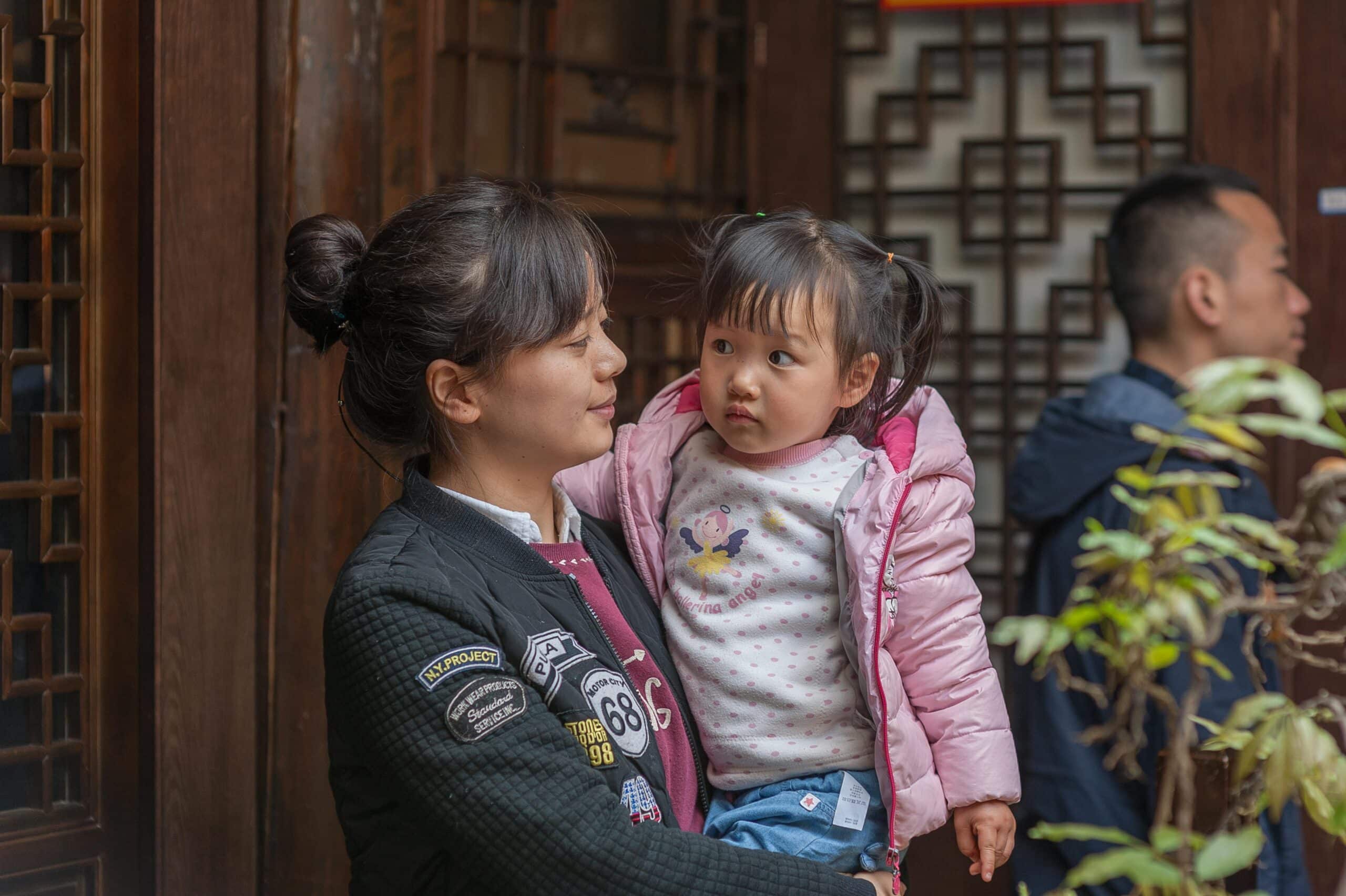
Photo by Vincent Tan pn Pexels
Parents pursue both goals: Changes in dynamic, shifting cultures
Autonomy and relatedness are both important. Some cultures have historically focused on one set of goals more than the other, but many parents today try to support both. Children may need both sets of skills to find their place in different situations.
Starting in the 1990s, scholars promoted the need to capture parents’ support for both sets of goals. This shift from purely autonomous or relatedness models came amid rapid socioeconomic change in many traditionally collectivistic cultures.
For example, in research in the early 2000s, urban parents from traditional collectivistic cultures (e.g., India, China) valued autonomy just as much as did parents in individualistic cultures. Meanwhile, these parents’ focus on relatedness was retained but at an intermediate level – lower than the levels indicated by parents still immersed in more purely collectivistic cultures but higher than the levels reported by parents in individualistic cultures.
In our recent research, my colleague and I asked two main questions: When parents value both sets of goals, do they support them equally or favor one over the other? Are there common patterns in how important the goals are to parents?
Children shape parental priorities
Parenting is not a solo, independent act performed by the parent with children passively absorbing parental values and goals.
For instance, a compliant but shy child may be afraid to initiate helping others (e.g., hesitating to offer their swing to a waiting child). That child’s parents may shift their goals to cultivate the child’s feelings of autonomy, satisfied that the child has already internalized a sense of responsibility to share.
In our research, we also asked: Is there a two-way, cyclical relation in which parents’ autonomous and relatedness goals predict their preschoolers’ later prosocial (e.g., kind) behaviors and the children’s prosocial behaviors also predict parents’ later goals?
Parental goals and preschoolers’ prosocial behavior in Chinese families
To address these three questions, we conducted an online study with 336 Chinese families of preschool-aged children (ages three to six). One parent from each family participated in the study; just over half were mothers and the average parental age was about 30 years old. More than 80% of the parents had a bachelor’s degree or higher, indicating a highly educated sample, and families tended to be in the middle or upper class economically. Most of the families lived in cities.
Parents completed online questionnaires three times over eight months (November 2022 to July 2023), with four months between the two adjacent time points. At each time, they rated the importance of various autonomous and relatedness goals in their parenting and the frequency of their child’s prosocial behaviors (e.g., sharing, comforting).
Collecting families’ responses repeatedly allowed us to examine possible two-way links between parental goals and children’s prosocial behaviors. Our study revealed three main findings:
1. Parents prioritized autonomy but still valued relatedness
Chinese parents consistently rated autonomous goals as more important than relatedness goals. This result reflects China’s cultural shift: As society becomes more individualistic, parents adapt by promoting independence.
Chinese parents tended to emphasize both types of goals more than parents in individualistic countries typically do.
But these parents have not abandoned traditional values. Relatedness goals – teaching children to care for others and respect authority – remained important. In fact, Chinese parents tended to emphasize both types of goals more than parents in individualistic countries typically do.
2. Two distinct patterns emerged in parenting goals, with links to children’s prosocial behavior
While Chinese parents valued both sets of goals and prioritized autonomy, not all parents rated the importance of the goals similarly. Two groups of parents emerged, with most parents fitting one or the other profile throughout the study:
- Profile 1 (10% to 20% of parents): These parents rated relatedness goals as somewhat important and autonomous goals as moderately important.
- Profile 2 (80% to 90% of parents): These parents rated relatedness goals as moderately important and autonomous goals as very important.
In other words, while all parents rated relative importance the same (i.e., autonomous goals were more important than relatedness goals), Profile 2 parents rated both sets of goals as more important than did Profile 1 parents.
Children whose parents fit Profile 2 showed significantly more prosocial behavior (i.e., kindness) across time than did children whose parents fit Profile 1. Profile 2 parents’ greater emphasis on both relatedness and autonomous parenting goals was linked to more frequent displays of kindness by their preschoolers.
3. There was a “kindness loop” between parents’ goals and children’s prosocial behaviors
We found a “kindness loop” – a dynamic, two-way relationship – between parents’ goals and children’s behavior over time:
- Autonomous goals predicted kindness: Parents who emphasized independence had children who became more prosocial four months later.
- Kindness predicted stronger autonomous goals: When children acted kindly, parents became even more committed to fostering independence.
- Relatedness goals also predicted kindness – but unlike autonomous goals, they did not shift after increases in children’s prosocial behavior.
- Short-term adjustments mattered: Even small, temporary increases in a parent’s emphasis on autonomy predicted more prosocial behaviors by their child four months later – and vice versa. (Our study did not address whether these increases simply tended to predict each other or whether parents’ changes in goals caused changes in prosocial behaviors and vice versa.)
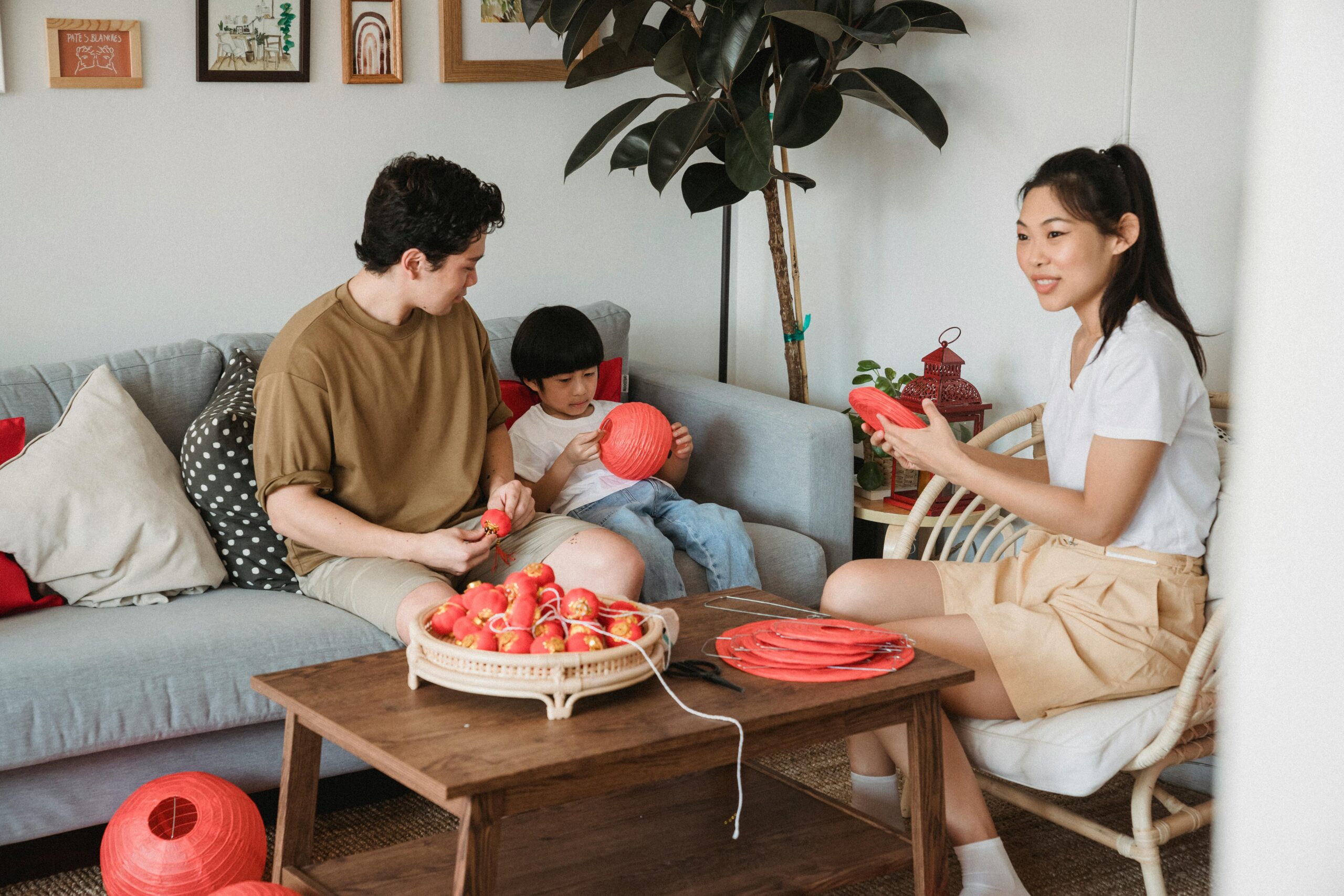
Photo by Kevin Malik on Pexels
Practical implications for children’s prosocial development
While results might differ in other communities, our findings point to four implications for parents and caregivers of preschool-aged children to consider.
Parents can support both autonomous and relatedness goals while respecting their cultural contexts
Without abandoning cultural heritage, parents in traditionally collectivistic communities can integrate autonomy in ways that honor traditional relational values while also adapting to societal shifts (e.g., globalization, urbanization).
For example, instead of insisting that their children help others simply because it is expected, parents can encourage children to decide how and when to help, making kindness a personal commitment, not just a duty.
In the opening scenario, the parent could remind their child that someone is waiting for a turn on the swing or encourage their child to imagine what the waiting child might feel or think. The child might then come up with a plan for when to get off the swing and move to another part of the playground.
Parents can highlight opportunities for their young children to choose how and when to be kind
Parents should view autonomy and relatedness not as opposing forces, but as complementary tools. Fostering both kinds of behavior allows children to become independent individuals who can assert themselves while also connecting meaningfully with others through kindness. For example, a parent might say, “Would you like to help set the table now or after you finish your puzzle?” and “You chose to share – that was kind.”
By promoting both autonomous and relatedness goals, parents offer children tools to understand and act on different motivations for prosocial behavior
In today’s globalized world, many children grow up navigating multiple cultural norms. They may encounter different expectations at school, at home, and in the media about how to relate to others and how to assert themselves. This makes flexibility – not rigid conformity – an essential life skill.
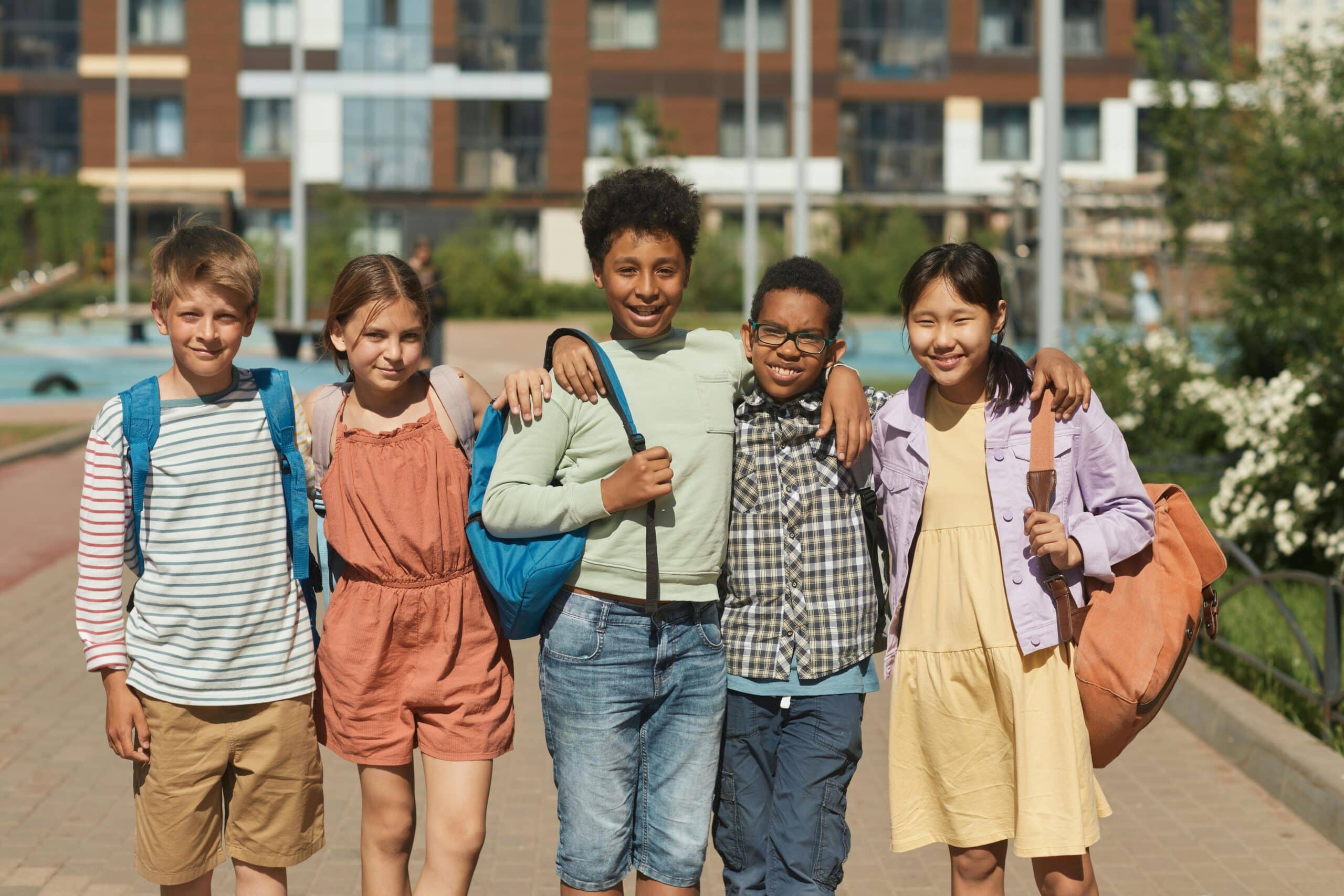
Photo by Norma Mortenson on Pexels
A child raised with both goals can recognize that sometimes people help others because they care about group harmony, and sometimes people help because it reflects who they are as independent moral agents. This dual understanding may foster empathy across cultural contexts and prepare children to thrive in diverse social settings.
Both parents and children contribute to children’s socialization
The results of our study suggest that changes in parents’ goals might lead to changes in children’s behaviors. That said, parenting is not a one-way transmission of values. In their everyday behavior, children can profoundly influence the way their parents think and act.
Parents should pay close attention to their children’s behavior – not only to correct or guide it, but to reflect on what it reveals about children’s emerging values in relation to themselves and the world.
In our study, increases in children’s prosocial behaviors predicted changes in parents’ goals over time. Although we did not address causality, parents may have changed because of their children’s actions.
Parents should pay close attention to their children’s behavior – not only to correct or guide it, but to reflect on what it reveals about children’s emerging values in relation to themselves and the world. These insights can inform future parenting decisions.
References
- Dix, T., Stewart, A. D., Gershoff, E. T., & Day, W. H. (2007). Autonomy and children’s reactions to being controlled: Evidence that both compliance and defiance may be positive markers in early development. Child Development, 78(4), 1204-1221.
- Giner Torréns, M., & Kärtner, J. (2017). The influence of socialization on early helping from a cross-cultural perspective. Journal of Cross-Cultural Psychology, 48(3), 353-368.
- Kağitçibasi, Ç. (1996). The autonomous-relational self: A new synthesis. European Psychologist, 1(3), 180–186.
- Kärtner, J. (2018). Beyond dichotomies – (M)others’ structuring and the development of toddlers’ prosocial behavior across cultures. Current Opinion in Psychology, 20, 6-10.
- Kärtner, J., Keller, H., & Chaudhary, N. (2010). Cognitive and social influences on early prosocial behavior in two sociocultural contexts. Developmental Psychology, 46(4), 905-914.
- Keller, H. (2003). Socialization for competence: Cultural models of infancy. Human Development, 46, 288-311.
- Keller, H., & Kärtner, J. (2013). Development: The cultural solution of universal developmental tasks. In M. J. Gelfand, C.-y. Chiu, & Y.-y. Hong (Eds.), Advances in culture and psychology (pp. 63–116). Oxford University Press.
- Song, Y., & Yuan, Q. (2025). Exploring the autonomous-relatedness model: Parental goals and preschoolers’ prosocial development during cultural shifts. International Journal of Behavioral Development, 0(0).